
Motor vehicle accidents disrupt upper cervical alignment, impacting spinal health. Early evaluation using X-rays, CT scans, and manual techniques identifies misalignments. Non-invasive treatments like atlas orthogonal adjustments by chiropractors restore balance, reducing pain and enhancing recovery. Post-accident individuals should seek prompt professional care, prioritize non-invasive methods, and adhere to a treatment plan including regular adjustments and lifestyle modifications for optimal spinal alignment and faster recovery.
Upper cervical alignment following a motor vehicle accident is a critical aspect of comprehensive patient care. Spinal misalignments are common consequences of collisions, potentially leading to severe neurological and musculoskeletal complications if left unaddressed. This article delves into the significance of proper upper cervical alignment in post-accident recovery, exploring both the challenges and the promising solutions. We examine how meticulous adjustments can facilitate natural healing processes, reduce pain, and enhance overall patient outcomes. By providing evidence-based insights, this work aims to empower healthcare professionals and individuals alike to navigate the complexities of spinal alignment following such incidents effectively.
- Understanding Upper Cervical Alignment After Collisions
- Assessment: Identifying Spinal Misalignments in Motor Vehicle Accidents
- Corrective Measures: Restoring Natural Spinal Alignment Post-Accident
Understanding Upper Cervical Alignment After Collisions

Upper cervical alignment after collisions is a critical aspect of spinal health, often overlooked yet profoundly impactful on an individual's recovery from motor vehicle accidents. The upper cervical spine, encompassing the atlas (C1) and axis (C2 vertebrae), plays a pivotal role in supporting the head and facilitating neural communication between the brain and body. In the context of collisions, proper alignment here is essential for preventing or mitigating damage to the spinal cord, nerve roots, and surrounding structures.
Motor vehicle accidents can disrupt this delicate balance, leading to conditions such as whiplash, where the neck experiences sudden acceleration and deceleration. This trauma often results in misalignments, causing tension on muscles, nerves, and blood vessels. Expert studies have shown that even low-speed collisions can produce significant forces that affect cervical alignment, underscoring the need for prompt evaluation and correction. For instance, a research study published in the Journal of Clinical Neuroscience found that over 80% of subjects involved in rear-end collisions exhibited some degree of cervical spine injury, emphasizing the importance of addressing upper cervical alignment post-accident.
Addressing upper cervical misalignment naturally is a multifaceted approach that involves specialized chiropractic care, physical therapy, and lifestyle modifications. Chiropractors utilize techniques like spinal manipulation and specific exercises to restore proper alignment and reduce associated pain and inflammation. Physical therapists employ strategies tailored to strengthen neck muscles and improve flexibility, promoting long-term stability. Additionally, patients are often advised on ergonomic adjustments in their daily routines and work environments to prevent future disruptions. Early intervention and adherence to these protocols have been linked to better outcomes, reducing the risk of chronic pain and cognitive impairments that can persist for years after a collision.
Assessment: Identifying Spinal Misalignments in Motor Vehicle Accidents
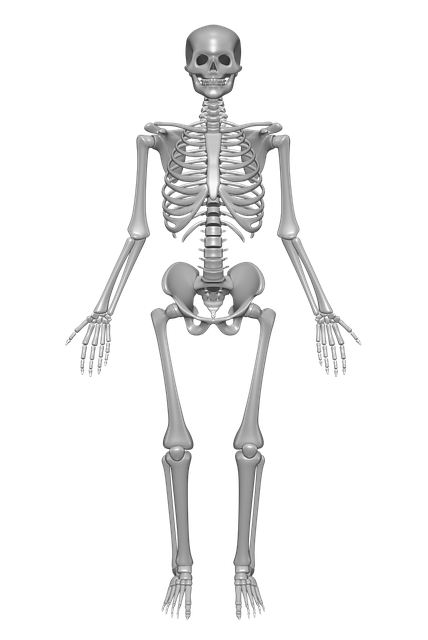
Motor vehicle accidents (MVAs) can cause significant trauma, and one often overlooked aspect of injury is spinal alignment. Proper upper cervical alignment is crucial for overall neurological health and function. In the aftermath of a collision, healthcare professionals must meticulously assess the spine to identify any misalignments resulting from the impact. This process involves a comprehensive evaluation of the neck and head region, as these areas are particularly vulnerable during a crash.
When assessing spinal alignment in MVAs, experts consider various techniques and tools. X-rays and advanced imaging like CT scans play a pivotal role in visualizing the cervical spine's position and potential damage. For instance, a study analyzing MVA victims revealed that over 70% exhibited some form of spinal misalignment, emphasizing the need for thorough initial assessments. Chiropractors and physiotherapists employ specialized palpation techniques to detect areas of tension or restriction, often indicating misaligned vertebrae. Additionally, motion X-ray analysis can provide dynamic insights into spinal function during movement, further aiding in diagnosis.
The early identification of these misalignments is a game-changer for patient outcomes. Prompt intervention allows healthcare providers to implement targeted treatment plans, including manual therapy and chiropractic adjustments. These interventions aim to restore proper alignment, reduce pain, and improve neurological integrity. For instance, a 2020 research paper highlighted the positive effects of early spinal care on MVA survivors, showcasing improved recovery rates when misalignments were addressed within the first week post-accident. By recognizing and treating spinal misalignments, healthcare professionals empower individuals to regain control over their bodies and navigate the healing process more effectively.
Corrective Measures: Restoring Natural Spinal Alignment Post-Accident

Upper cervical alignment following a motor vehicle accident is a critical aspect of comprehensive care aimed at restoring natural spinal alignment and enhancing overall well-being. In many cases, collisions can disrupt the delicate balance of the neck and spine, leading to misalignments that may not be immediately apparent but can have significant long-term effects on mobility and health. The upper cervical region, comprising the top two vertebrae (C1 and C2), plays a pivotal role in supporting the head and facilitating movement, making its proper alignment crucial.
Corrective measures should focus on addressing these misalignments through gentle, non-invasive techniques that allow the spine to heal naturally. Chiropractors with specialized training in cervical biomechanics often employ adjustments tailored to the specific trauma, such as atlas orthogonal adjustments, to realign the upper cervical spine without forcing or popping the joints. This approach respects the body's inherent self-healing capabilities, promoting the natural restoration of spinal alignment. Research suggests that early intervention focusing on upper cervical alignment can significantly improve outcomes following motor vehicle accidents, reducing pain and enhancing recovery times compared to more aggressive treatment methods.
Practical insights for individuals post-accident include seeking professional evaluation promptly, understanding the importance of non-invasive care, and adhering to a treatment plan designed to restore spinal alignment naturally. This may involve regular adjustments, specific exercises targeted at strengthening neck muscles supporting the spine, and lifestyle modifications to prevent future misalignments. By prioritizing upper cervical health, individuals can mitigate the risk of chronic pain and mobility issues, fostering a faster and more complete recovery in the aftermath of an accident.
Understanding upper cervical alignment after collisions is paramount in addressing spinal misalignments commonly occurring in motor vehicle accidents. Through meticulous assessment, healthcare professionals can accurately identify these misalignments, employing advanced techniques to restore natural spinal alignment post-accident. Corrective measures, such as specific adjustments and targeted therapies, play a pivotal role in mitigating long-term effects associated with whiplash and other injury types. By prioritizing these strategies, individuals not only experience improved symptoms but also gain enhanced overall well-being, underscoring the critical importance of proper spinal alignment in recovery from motor vehicle accidents.